
"Arabica in Africa"
3000 article(s) found

African coffee| Sao Tome and Principe| Arabica beans
Professional coffee knowledge exchange More coffee bean information Please pay attention to coffee workshop (Weixin Official Accounts cafe_style) Qianjie boutique coffee recommendation| Polsa Pacama, Guatemala| Yega Shefi Sun-dried Red Cherry| Costa Rican Shumava Black Honey| Costa Rica Angel Estate Sao Tome and Principe is located in the Gulf of Guinea in Africa. Sao Tome Island is 255 km from the West Bank of Africa.

Arabica, Robusta and Liberian coffee are three different types of coffee.
Arabica beans grow in the cold high altitude areas of the tropics. They are an important type of commercial coffee. They bear fruit within three years and have a good aroma and acidity. Arabica coffee beans are mainly produced in South America (except parts of Argentina and Brazil), Central America, Africa (Kenya, Ethiopia and other places, mainly East African countries), Asia (Yemen, India,

Characteristic acid balance of Ugandan coffee beans as a rising star of African Ugandan coffee
Professional coffee knowledge exchange more coffee bean information please follow the coffee workshop (Wechat official account cafe_style) front street-Uganda Coffee introduction Africa is the hometown of two major varieties of coffee Arabica and Robusta, while Uganda, which enjoys the reputation of plateau water hometown and Pearl of East Africa, is believed by many people as the birthplace of Robusta. The current domestic coffee in China

Description characteristics of Ugandan Coffee Flavor introduction of manors produced by grinding scale
Uganda coffee flavor description characteristics, taste grinding scale production area manors introduce that Ugandan coffee beans have a unique flavor of delicate flavor, which is very suitable for making Italian and other flavors of coffee. More importantly, Ugandan coffee beans are strictly screened in accordance with the standards of the international market to ensure their high quality and pollution-free characteristics. Africa is the two main varieties of coffee, Arabica and Robust.

Characteristic flavor and taste of Ugandan coffee introduction to the taste of fine coffee beans in manor
Ugandan coffee beans have a unique flavor of delicate taste, which is very suitable for making Italian and other flavors of coffee. More importantly, Ugandan coffee beans are strictly screened according to the standards of the international market to ensure their high quality and pollution-free characteristics. Africa is the hometown of two major varieties of coffee, Arabica and Robusta, while the eastern Africa enjoys a plateau water hometown and a pearl of East Africa.

Uganda Coffee Plantation Production Area Grinding Scale Processing Flavor Description Variety Introduction
Uganda coffee beans have a unique flavor and fragrance, which is very suitable for making Italian and other flavors of coffee. More importantly, Uganda coffee beans are strictly screened according to international market standards to ensure their high quality and pollution-free characteristics. Africa is the two major varieties of coffee Arabica and Robu

The aroma of Arabica coffee beans in Rwanda in Africa continues to be strong and solid.
Dry aroma: deep chocolate, hazelnut (nutty), persistent fruit, wet peach: Woody, creamy, nutty, pepper, mango sweetness sipping: melon-like sweetness. The acidity is bright and obvious, with slightly astringent in front. As thick as cream body, black tea-like aroma of the throat continues to be rich and solid. Rwandan coffee washes Elaraby with its water.

Introduction of coffee producing areas in Africa | what are the main coffee producing areas in Africa?
Professional coffee knowledge exchange more coffee bean information please follow the coffee workshop (Wechat official account cafe_style) Rwanda (Republika yu Rwanda) Rwanda is a country in east-central Africa, the full name of the Republic of Rwanda, is located in east-central Africa south of the equator, landlocked countries. Tanzania to the east, Burundi to the south, Congo (DRC) to the west and northwest, and Ukraine to the north.
Stories of coffee bean producing areas in Africa and characteristics of coffee beans
Robusta beans are produced in most countries in Africa, but there are outstanding Arabica beans in the neighboring regions of Ethiopia in East Africa. East African coffee is very similar in nature, with spicy acidity and good mellow taste, is a distinct taste of coffee. Ethiopia is one of the major producers of African Arabica coffee and produces the best Arab in the world.

Aroma and throat Rhyme of Africa, Rwanda, Arabica Coffee Bean Origin, Development, History and Culture
Another noteworthy thing on the packaging is a list of relevant words from the United States, which is the American aid program (USAID). Because of this plan, the road to fine goods in Rwanda has also gone much smoothly. OCIR has made reference to many successful ways to improve the quality of its exports, including the mechanism for setting up cooperatives, which is an indispensable road to boutique coffee.

The Ugandan coffee-producing countries of Elgon, the birthplace of Robusta in Africa, and Bujisu (
The coffee growing industry in Uganda is one of the pillar industries of its exports. Uganda is the birthplace of Robsta in Africa, just as Ethiopia is the origin of Arabica coffee, while Robster coffee was first discovered in Uganda. So far, Uganda has a history of growing coffee for more than 100 years. At the same time, Uganda is one of the few major countries in Africa dedicated to the production of organic coffee. In Wu
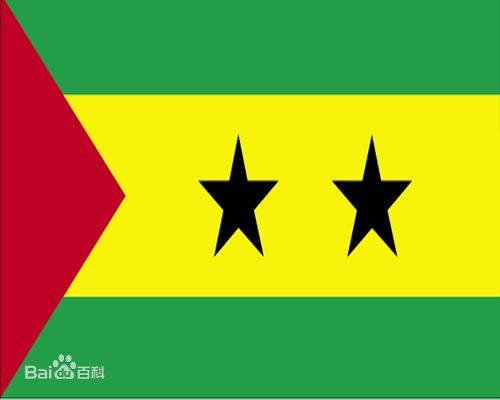
Sao Tome and Principe Coffee from Sao Tome and Principe in Africa
Arabica coffee beans with small quantity and high quality, soft and rich taste. The Democratic Republic of Sao Tome and Principe (Sao Tom and Principe), a volcanic archipelago, is the second smallest independent country in Africa and was once a Portuguese colony, which did not win independence until 1975. The equator crosses the archipelago, where the climate is hot and humid, the land is fertile, the irrigation is good, and coffee is rich. In 1800, it should be
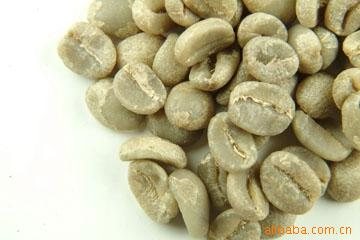
Coffee beans from Rwanda in Africa have the flavor characteristics described as grass aroma.
Rwanda quality coffee comes from washed Arabica beans, which has a unique and perfect flavor. Rwanda (Rwanda) coffee is absolutely high quality in terms of its washed Arabica beans. As far as Africa is concerned, its coffee industry stands out because the country thrives mainly by producing the best possible beans. The taste of Rwandan coffee is described as grassy with tropical aromas.
Starting with Coffee beans (32)-Africa-Rwanda
High-quality coffee comes from washed Arabica beans, which has a unique and perfect flavor. Rwanda coffee is absolutely high quality in the form of washed Arabica beans. As far as Africa is concerned, its coffee industry attracts attention because the country thrives mainly by producing the best possible coffee beans. The taste of Rwandan coffee is described as a grassy aroma with tropical flavor
Coffee beans Africa Rwanda
High-quality coffee comes from washed Arabica beans, which has a unique and perfect flavor. Rwanda coffee is absolutely high quality in the form of washed Arabica beans. As far as Africa is concerned, its coffee industry attracts attention because the country thrives mainly by producing the best possible coffee beans. The taste of Rwandan coffee is described as a grassy aroma with tropical flavor

What are the coffee-producing areas in Africa? How does African coffee taste good? A famous coffee maker in Africa
Professional coffee knowledge exchange more coffee bean information please follow the coffee workshop (Wechat official account cafe_style) what are the coffee-producing areas in Africa? How does African coffee taste good? What are the famous coffee producing countries in Africa? Africa is the birthplace of coffee, and there are naturally many coffee-producing countries. Congo, Rwanda, Kenya, Angola, Zimbabwe, Mosang
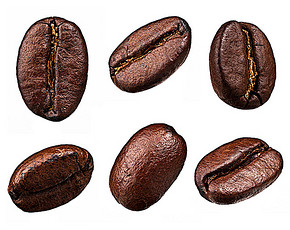
Introduction of Ugandan coffee beans, does Ugandan coffee taste good?
Following caf é (Wechat official account vdailycom) found that the Beautiful Caf é opened a small shop of its own. Uganda Coffee farming is one of the pillar industries of its export, Uganda is the birthplace of Robsta in Africa, just as Ethiopia is the native place of Arabica Coffee, Robster Coffee was first discovered in Uganda. So far, Uganda has a history of growing coffee for more than 100 years

Description of taste and flavor of Ugandan coffee beans introduction to grinding scale of variety treatment method in producing areas
Uganda coffee beans taste and flavor description the processing method of Uganda coffee varieties grinding scale introduces that Ugandan coffee beans have a unique flavor of delicate flavor, which is very suitable for making Italian and other flavors of coffee. More importantly, Ugandan coffee beans are strictly screened in accordance with the standards of the international market to ensure their high quality and pollution-free characteristics. Africa is the two main varieties of coffee, Arabica and Ro.

South African coffee beans recommended by brands _ Arabica coffee beans from South Africa are of inexpensive price and excellent quality
Professional coffee knowledge exchange more coffee bean information Please pay attention to coffee workshop (Wechat official account cafe_style) although the hometown of coffee is not in South Africa, this sub-Saharan African country, but South Africans are no less enthusiastic about coffee than Europeans and Americans. You can see from the coffee shops everywhere in the streets and shopping malls that coffee has long gone deep into South Africa.

Introduction to the difference between coffee beans grown in Liberia and Arabica flavor
Coffee the difference between Liberian coffee beans and Arabica flavor introduction Liberian species (coffea liberica) do not want to talk about it in detail here, because its trading scope is very small, usually not used, what we are talking about is not very often, so let's briefly describe it here. The origin of Liberian coffee is West Africa, for both high and low temperatures, the tide